
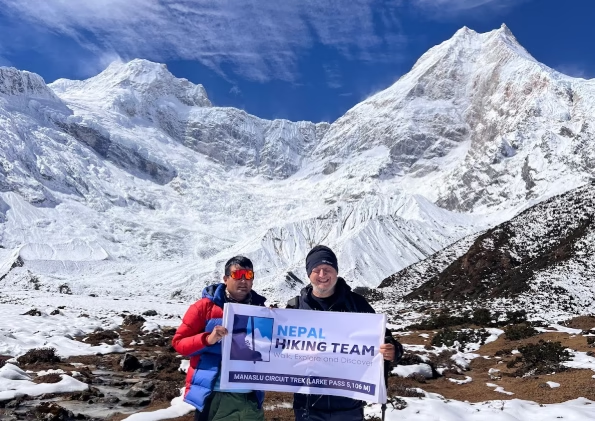
The Manaslu Circuit is called hard, remote, and demanding. All true, but those words don’t really explain what the daily walking feels like. This isn’t a trek built around one killer viewpoint or a single memorable day. It’s a constant journey, with terrain changing under your boots, altitude creeping up day by day, and long stretches through areas where infrastructure basically stops.
If you’re thinking about Manaslu, forget the romantic descriptions. What matters is understanding what you’ll actually face out there.
Why the Manaslu Circuit Feels Different
Nepal’s popular trekking routes ease you in. Manaslu doesn’t. From day one along the Budhi Gandaki River, you know what you’re in for. Trails stay narrow, bridges hang high and exposed, and villages exist for the people who live there, not for trekkers passing through.
The remoteness isn’t manufactured. It’s geography and history doing their thing. This region stayed closed off for decades, and when development came, it served locals rather than tourists. As a result, walking here feels real and grounded, not packaged.
Terrain That Demands Attention
The Manaslu Circuit Trek runs about 170 kilometres, give or take, depending on your route and acclimatization schedule. The ground rarely stays the same for long. Early on, you’re crossing rivers constantly, hauling yourself up stone staircases, and climbing and dropping through steep valley walls. In humid conditions, these sections drain energy quickly.
Higher up, forests open into alpine country. Trails tighten. Sometimes they’re carved straight into rock faces. Other times, you’re moving through areas prone to landslides. Flat ground is rare. Each day comes down to balance, careful footing, and keeping a steady pace.
Then Larkya La Pass changes everything. Snow replaces greenery, wind and cold replace humidity, and the trail becomes far less forgiving. Early starts are necessary to beat shifting afternoon weather.
Altitude as a Gradual Companion
Manaslu’s altitude builds slowly. Each village sits a little higher than the last, giving your body time to catch up if you allow it. Larkya La Pass tops out above 5,100 meters, but you only reach it after spending several nights above 3,500 meters.
Most people don’t crash suddenly. Instead, changes show up quietly: lower energy, slower recovery, lighter sleep, and a reduced appetite. Your pace drops without you consciously deciding to slow down. All of it is normal and expected.
Good itineraries build in acclimatization nights in places like Samagaon, where you can rest, explore nearby ridges, and let your body adjust before pushing higher. When trekkers respect this process, altitude is usually manageable.
A Typical Day on the Circuit
Days on Manaslu follow a clear pattern. Mornings start early, especially at higher elevations. Breakfast is simple, followed by several hours of walking broken into manageable sections. Lunch happens where it happens, not where the view is best.
Afternoons usually involve shorter pushes to reach the next village before weather shifts. Evenings are quiet. Teahouses offer warmth, basic food, and a place to sleep, not luxury. Beyond Samdo, even electricity and hot water become limited.
That simplicity cuts through noise. With few distractions, attention shifts naturally to terrain, weather, and how your body is holding up.
Villages and Cultural Reality
These villages aren’t trekking stops. They’re working communities. Culture here leans Tibetan, shaped by altitude, historic trade routes, and seasonal cycles. You see it in the stone buildings, mani walls, prayer flags, and small monasteries scattered along the trail.
Life continues regardless of trekking season. Livestock is herded, crops are grown where possible, and supplies move by mule or porter. Trekkers simply pass through.
Interactions tend to be brief but genuine. People help because that’s how life works here, not because hospitality is being performed. Understanding this context shifts expectations and deepens appreciation for the region.
The Reality of Remoteness
Remoteness on Manaslu doesn’t just mean distance. It means limited options when plans change. If weather slows progress or someone needs extra rest, flexibility becomes essential. Medical facilities are basic, and communication can drop out entirely.
That doesn’t make the trek dangerous. It means preparation and decision-making matter more. Group trekking is required in the restricted area, which ensures built-in support.
Local teams with real experience, such as Nepal Hiking Team, manage these conditions through conservative pacing, clear communication, and backup plans based on firsthand trail knowledge rather than assumptions.
Weather and Seasonal Impact
Weather shapes Manaslu more directly than many other routes. Spring brings warmer days, but snow is still possible at the pass. Autumn delivers clearer skies, colder nights, and sharper winds.
Monsoon conditions make river crossings and landslide sections more challenging. Winter trekking is possible for well-prepared groups, but it comes with cold temperatures and limited services.
Conditions change fast. Patience and adaptability matter more than any forecast.
Common Misunderstandings
Many assume Manaslu is difficult mainly because of altitude. In reality, the challenge comes from relentless terrain and remoteness more than elevation alone.
Others expect teahouse trekking to function like it does on developed routes. Facilities exist, but they’re simpler and less predictable. Accepting that often improves the experience rather than diminishing it.
Some expect total isolation. While Manaslu is quieter than popular circuits, trekkers are still present during peak seasons. What the route offers instead is space, silence, and continuity, which feels different from isolation.
Preparation That Makes the Difference
Preparing for Manaslu means building endurance, working on balance, and getting mentally ready. Stair training helps. A light pack reduces fatigue. Layered clothing handles wide temperature swings.
Most importantly, choose an itinerary that respects acclimatization. Safety improves, enjoyment improves, and the trek feels sustainable rather than rushed. Pushing the circuit too fast undermines what makes it worthwhile.
Crossing Larkya La Pass
The Larkya La day defines the circuit. It’s long, cold, and physically demanding. The climb begins before sunrise, moving across glacial terrain and snow-covered paths.
Reaching the top doesn’t feel triumphant. It feels more like relief. Wind, prayer flags, and wide mountain views mark the moment before the long descent begins. The real sense of completion arrives later, quietly, with rest and tea at a lower elevation.
Why the Manaslu Circuit Endures
The Manaslu Circuit endures because it offers something increasingly rare. It demands attention, patience, and respect. The terrain reshapes the body, and altitude reshapes expectations. Daily trail life strips everything back to essentials.
For trekkers willing to face the reality of the route rather than chase an idealized image, Manaslu delivers depth, challenge, and perspective that lasts long after the walk ends.
It isn’t designed to entertain visitors. It asks you to meet it on its own terms.
